Pay by Phone Casinos UK: Payforit and Deposits
 Available in GB
The guide explains SMS confirmation, phone-account billing, supported options and the practical limits of using mobile charges at casino cashiers.

- How Payforit Deposits Are Charged and Confirmed
- Why Credit-Card Deposits Are Not an Option
- Using Pay-by-Phone Deposits for Mobile Slots
- Assessing Pay-by-Phone Options and Network Support
- Where Pay-by-Phone Deposits Are Currently Accepted
- Pay-by-Phone Limits and the Withdrawal Gap
- No-Deposit Offers and Pay-by-Phone Funding
- Pay-by-Phone Casinos and GamStop Status
- Identity Checks and Claims of No Verification
- Sky Mobile, Virgin and Cashier Availability
How Payforit Deposits Are Charged and Confirmed
A Payforit deposit connects a casino payment request to a mobile number and the way that number is billed. The distinction matters because the same deposit flow can have a different effect on the account used to pay for mobile service.
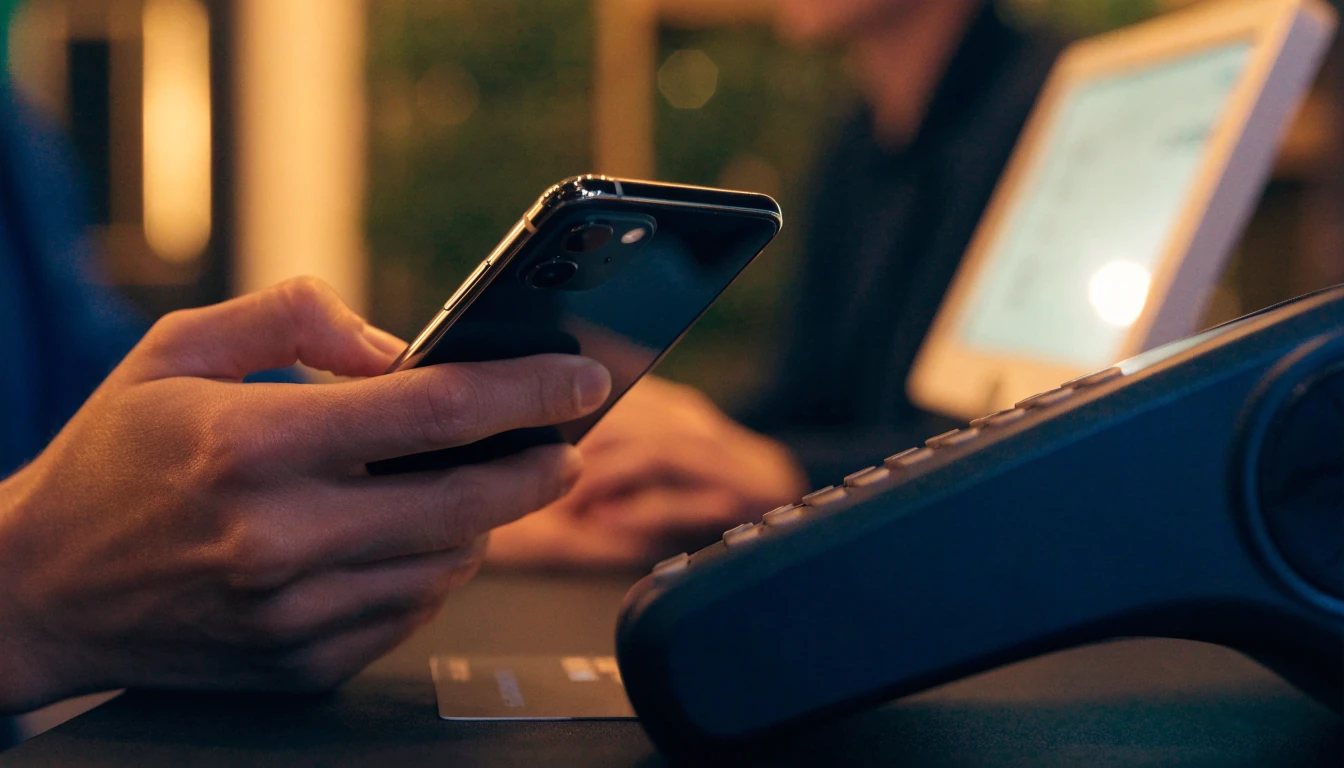
The transaction begins in the casino cashier, where Payforit is selected as the deposit method. The account holder then enters a mobile number. A confirmation code is sent to that number by SMS; submitting the code completes the authorisation step for the deposit. In practical terms, entering a number alone does not complete the payment. The code must also be received and entered before the transaction is confirmed.
Once the code has been submitted, the Payforit deposit is applied through the phone account associated with that number. For a monthly contract, the amount is added to a future phone bill. For a Pay as you Go account, it is deducted from prepaid credit. Thus, “pay by phone” describes the billing route, not a separate casino balance or a new payment account. The casino receives a deposit through Payforit, while the corresponding charge is recorded against the mobile service.
This is the basic sequence for an online casino pay-by-phone bill transaction: choose Payforit, provide the mobile number, receive the SMS code and submit it. The code links the payment confirmation to the number entered in the cashier. Care is therefore needed to ensure that the number supplied is the one whose bill or prepaid credit is intended to cover the deposit.
A contract customer sees the charge on a later bill rather than as a deduction from prepaid credit. A Pay as you Go customer funds the payment from credit already held on the phone. These are two billing outcomes for the same general Payforit route; they should not be confused with two different casino deposit procedures.
For a mobile casino pay-by-phone deposit, the SMS confirmation is the key point at which the account holder approves the payment. The text message carries a code, and submitting that code confirms the requested deposit. The process does not mean that the casino has access to the customer’s general phone account or can make unrelated charges through it.

The phone-side charge follows the billing arrangement attached to the number: it appears on the contract account’s future bill or reduces Pay as you Go credit. The precise display of the charge on a phone account may depend on how that account presents its activity, but the underlying distinction remains whether the number is billed monthly or funded in advance.
A casino account’s ordinary deposit confirmation and the phone account’s billing record serve different purposes. The casino confirmation indicates that the requested funds have been credited to the gambling account. The phone bill or prepaid balance shows how the payment is assigned on the mobile side. Keeping those records distinct helps explain why a customer may see a casino deposit in the account while the related amount is listed as a phone-billed charge or reflected in the remaining prepaid credit.
Before a first deposit, new remote customers must be prompted to consider setting a financial limit; facilities for managing account-level limits must also remain accessible afterwards. This requirement concerns the gambling account and is separate from the SMS step used to confirm a Payforit payment. Operators must also verify a customer’s age before permitting a deposit. Neither the use of a mobile number nor successful receipt of a code replaces those account requirements.
Payforit is therefore a payment route in which the casino deposit is confirmed by SMS and charged through the phone account tied to the number entered. Monthly contract customers have the charge added to a future bill, while Pay as you Go customers use prepaid credit. The transaction’s defining stages are the cashier selection, number entry, receipt of the confirmation code and submission of that code; the billing outcome depends on the phone plan associated with the number.
Why Credit-Card Deposits Are Not an Option
“Phone credit” and credit-card credit refer to different things. In a pay-by-phone transaction, the charge is applied through the mobile account: for a monthly contract it is added to a future phone bill, while on a pay-as-you-go account it comes from prepaid balance. The word credit in “phone credit” therefore does not mean that a credit card is funding the gambling account.
Credit Card Ban
UK rules prohibit remote gambling operators from accepting credit-card payments for gambling, even when routed through a money service business.
This distinction matters because UK rules prevent remote gambling operators from accepting credit-card payments for gambling. The restriction applies even when a payment is routed through a money service business. A credit card cannot therefore be used as an indirect funding source for a casino deposit by passing the payment through another service. Changing the label or intermediary does not change the underlying source of the funds.
Payforit is not a route around that restriction. Its connection to a mobile account does not make a credit-card payment permissible, and it should not be treated as a way to move credit-card funds into a casino balance. The relevant difference is the payment source: a phone-account charge or prepaid mobile balance is distinct from money borrowed through a credit card. A casino’s payment options must still comply with the applicable gambling rules.
A debit card is different from a credit card. It draws on funds held in a bank account rather than extending a credit facility, so the UK prohibition on credit-card gambling payments does not mean that debit-card deposits are also prohibited. A specialist review characterises debit-card deposits at UK casinos as free and more widely accepted than Payforit; however, acceptance and any applicable terms should be confirmed in the casino’s live cashier rather than assumed for every account.

The practical distinction is not merely the name printed on a card. A card used for a deposit must be identified by the operator as a permitted payment method, and a credit card must not be presented as an acceptable substitute for a debit card. If a payment option is unclear, the cashier’s description and the operator’s current terms provide the relevant information. A card that looks similar to another card does not alter the rules governing its underlying payment type.
Searches for a casino that accepts payment “by phone credit” can consequently be ambiguous. They may refer to charging a mobile contract or using prepaid phone balance, rather than to funding a deposit with a credit card. The phrase “pay by phone bill” likewise describes a charge associated with the mobile account; it does not establish that a credit card may be used to settle that account and thereby fund gambling. The restriction applies to the gambling payment route, including when a money service business is involved.
For the same reason, an e-wallet or other intermediary should not be used to convert credit-card funds into a casino deposit. The governing rule covers payments routed through a money service business, so inserting an additional service does not make a prohibited credit-card payment acceptable. This is separate from using a debit card or a legitimate mobile-account payment method, each of which has its own availability and terms.
The result is a clear separation between payment categories: credit-card payments are barred for remote gambling, while debit-card deposits are a distinct option and phone-account charges are not credit-card transactions. The wording “phone credit” should be read in that context, not as permission to fund casino play with borrowed card credit.
- Use a debit card for deposits
- Use phone-account charges or prepaid balances
- Check the cashier for permitted payment methods
- Use a credit card to fund gambling
- Use e-wallets to convert credit-card funds
- Assume a credit card is a substitute for a debit card
Using Pay-by-Phone Deposits for Mobile Slots
Payforit is a payment option associated principally with mobile play. Its relevance to slots is therefore practical: a player using a phone may encounter it as a way to fund a casino account, provided the operator offers it. The payment method does not determine which slot games are available, nor does it change how a game works.
The distinction between playing on a mobile device and paying through Payforit matters. A casino may offer slots through a mobile website or app without offering Payforit at its cashier. Conversely, the presence of Payforit as a payment option does not establish that every part of the casino is accessible in the same way on every device. These are separate features and should not be treated as interchangeable.
For mobile slots, the device is the route to the game; Payforit is only a possible route for depositing funds. It does not provide a separate collection of games, guarantee compatibility with a particular slot, or confer special access to mobile content. Whether a title is available depends on the casino’s game offering and the way its mobile service presents that content, not on the deposit method.

This also explains why descriptions such as “pay-by-phone slots” can be imprecise. They may refer to slots played on a phone at a casino that accepts Payforit, rather than to a distinct category of games. The same mobile slot may be available to customers using another deposit method, while a Payforit user may see the same game catalogue as other customers at that operator. No game list can be inferred from the payment label alone.
The mobile orientation of Payforit should not be mistaken for universal support across mobile casinos. Availability is specific to the operator and its cashier, and a method visible at one casino cannot establish support elsewhere. A desktop visit may not expose a mobile-focused payment option in the same way, but that does not prove the operator lacks mobile play or that the option is available to every account. The cashier is the relevant place to establish whether Payforit can be selected.
The payment method also says nothing about whether an offer is “no wagering” or whether bonus terms apply. Those conditions are set out separately in the casino’s promotion rules. A deposit made from a phone does not, by itself, establish eligibility for a promotion or remove any wagering requirement. Payment choice and promotional terms are different parts of the account relationship.

In Britain, mobile slot play remains subject to the rules governing online gambling. A mobile format does not create an exception to the requirements that apply to games, operators or customers. In particular, online slots must not offer autoplay, and each spin must last at least two and a half seconds. These rules concern the gambling product, not the means used to add funds.
Accordingly, “mobile slots with Payforit” is best understood as a combination of two independently dependent features: a casino’s mobile slot service and its current acceptance of Payforit. Neither feature guarantees the other. The payment method’s mobile focus can make it relevant to phone-based play, but it cannot establish game availability, bonus eligibility or a particular casino’s support without checking that operator’s current information.
Assessing Pay-by-Phone Options and Network Support
Comparing pay-by-phone casinos requires more than seeing a payment logo on a general information page. Support can depend on the operator’s current cashier, the account and the payment method selected. A mobile network’s name alone does not establish that a particular casino will accept Payforit for that account.

This distinction matters for searches about BT Mobile. The network may be relevant to whether a phone-billed payment can be processed, but it is not evidence that a casino supports Payforit for every BT Mobile customer. A casino’s payment arrangements and a network’s billing arrangements are separate parts of the transaction. Unless Payforit appears as an available option in the live cashier, compatibility should not be assumed.
The cashier is also the place to assess the terms that affect the deposit itself. A specialist review advises checking the displayed minimum deposit, maximum transaction value and any fee before proceeding, alongside the account’s financial-limit controls. These details should be read together rather than inferred from a payment-method label: the label identifies an option, but does not state its full conditions.
Specialist reviews also note that deposit and withdrawal terms, including any charges and processing times, vary with the cashier and selected method. Those terms can change, so information published elsewhere may not describe the current offer. For a comparison to be useful, it should be based on the live payment screen and the operator’s current terms, not an old list of supported methods.
The comparison should therefore separate confirmed availability from general claims. A method described as available at a casino may not be offered to every account or network, and a payment option shown on one operator’s site does not demonstrate support at another. The relevant evidence is whether the cashier presents Payforit for the account and states the applicable conditions before a deposit is made.
Financial-limit controls belong in the same review. New remote customers must be asked to consider setting a financial limit before their first deposit, and account-level facilities for setting or changing limits must remain accessible afterwards. This is distinct from any transaction cap imposed by a payment service: an account limit governs the player’s own permitted spending, while a cashier’s payment terms govern the transaction.
A useful comparison can record whether Payforit is actually displayed, what the cashier says about the deposit conditions, whether fees are stated, and which financial-limit controls are available. It should not turn an unconfirmed network association into a claim of support, or treat a payment-method label as a complete statement of cost and eligibility. Where the cashier does not establish those points, the available evidence is insufficient to describe the casino as a confirmed option.

Nor does a “best” label resolve these uncertainties. Without consistent, current information about eligibility and terms, a ranking would imply a level of comparability that the evidence does not support. A cautious assessment identifies what the cashier confirms and leaves network compatibility unstated where it has not been confirmed.
Where Pay-by-Phone Deposits Are Currently Accepted
Payforit availability is not a fixed feature across UK casino cashiers. A payment option shown in an older review, or on a general payment-method page, does not establish that it is available to every account now. The live cashier is the relevant place to confirm whether Payforit appears for a particular operator and account before a deposit is made.
A specialist review has reported Payforit availability at Kwiff, NetBet, JackpotJoy and Virgin Games. These names are examples of reported availability, not a ranking or confirmation that the method is currently offered to every customer. Cashier options can change, so each operator’s current payment page should be checked directly. The same check should establish the deposit terms and whether the operator holds a current UKGC licence; a payment-method listing alone says nothing about licensing.

This distinction matters because “pay by phone” can be used loosely to describe more than one payment service. Payforit and Boku are separate methods, and evidence that a cashier has offered one does not establish that it supports the other. Boku availability therefore needs its own confirmation in the live cashier rather than being inferred from a Payforit listing or from a mobile network name.
Where Boku is offered, the transaction requires an SMS confirmation before funds move. A specialist review also notes that the phone credit must cover both the deposit and any network fee for the payment to succeed. The fee, where applicable, can depend on the network and tariff, so the amount should be checked before confirming the transaction. This is not evidence that a particular casino or network currently supports Boku.
A cashier may present different payment choices according to the account or the operator’s current arrangements. For that reason, a general page describing casino payment methods cannot substitute for the options displayed after signing in. Nor does an option’s presence on a device mean that it will be available to every customer using that device.
Before depositing, the account holder should also consider the financial limit prompted for new remote customers and set an appropriate limit before the first deposit. Account-level limit facilities must remain accessible afterwards. This is separate from checking whether a particular pay-by-phone method is active: a visible payment button does not replace the required account controls.
The practical distinction is therefore between a reported example and a live, account-specific offer. Kwiff, NetBet, JackpotJoy and Virgin Games have been cited in specialist coverage as operators associated with Payforit, but that should not be treated as a current guarantee. Boku must be checked independently, and neither method should be assumed to be available merely because another operator, review or network refers to it.
Pay-by-Phone Limits and the Withdrawal Gap
Payforit separates the amount that can be deposited from the amount that can later be withdrawn. The payment method can fund a casino account, but it cannot return casino winnings or a remaining balance to the phone account. A player using a pay-by-phone casino therefore needs to consider the withdrawal route as well as the deposit ceiling.
Payforit Limits
The Phone-paid Services Authority sets a per-transaction ceiling of £30 for Payforit deposits.
The Phone-paid Services Authority sets a ceiling of £30 for a Payforit transaction. This is a per-transaction limit, not a statement of how much an account can deposit in total. Specialist reviews report minimum deposit amounts in the £3–5 range, but the amount available at a particular operator may differ. The live cashier is the relevant place to confirm the minimum, the maximum it will accept and any fees before a deposit is made. Operator and payment terms can change, so figures reported elsewhere should not be treated as a current offer.
The withdrawal side is separate. UK-licensed casinos may offer withdrawals to a debit card, bank transfer, PayPal, or an e-wallet such as Skrill or Neteller. These are possible routes, not a guarantee that every method is available at every casino or for every account. A deposit option should not be assumed to work in reverse: Payforit itself is not a withdrawal method.
This distinction matters when assessing the practical cost of a small deposit. The funds may be added through the phone account, while any later withdrawal must go through a method the operator supports for that account. Specialist reviews describe withdrawal terms as dependent on the operator and selected method; the current cashier and account terms should be checked for the applicable minimum, maximum, fees and processing information. Public banking information does not establish stable UK-specific figures for these conditions.

Some non-UK casinos require a withdrawal to use the same method as the deposit. That condition should not be assumed to apply to every casino, but it makes checking the payout route before depositing particularly important. Where Payforit cannot serve as that route, the account must have another permitted option. Any withdrawal method also needs to match the account holder’s details and currency requirements.
Withdrawal limits can affect access to a balance as well. A specialist review may report that a casino can refuse a request when the balance is below its minimum withdrawal threshold, or divide a request that exceeds its maximum into separate payments. Those are operator-specific conditions, not fixed Payforit rules. The cashier’s current terms determine whether either condition applies.
Before making a first deposit, a new customer must be prompted to consider setting a financial limit. Account-level limit controls must also remain available afterwards. For a UK pay-by-phone casino, the low transaction ceiling and the separate payout route make those checks relevant before funds are committed, rather than only when a withdrawal is requested.
No-Deposit Offers and Pay-by-Phone Funding
Paying by phone does not, by itself, establish eligibility for a no-deposit offer. The payment method and the promotion are separate features: Payforit is a way to fund an account, while a no-deposit offer is a promotional condition that must be stated by the operator. A casino offering Payforit therefore cannot be assumed to provide a no-deposit bonus, and the presence of an offer does not show that Payforit deposits qualify for it.
A specialist review of UK casino promotions reports that most casinos exclude Payforit deposits from welcome bonuses and other promotional offers. This is a reported pattern, not a rule that determines every operator’s current terms. Eligibility should be established from the promotion’s own conditions, which may specify which deposit methods count, whether an offer requires a deposit at all, and which accounts or customers qualify.
Attention: Most UK casinos exclude Payforit deposits from welcome bonuses and other promotional offers.
The distinction matters when comparing searches for pay-by-phone casinos with no-deposit offers. A page describing a casino as accepting Payforit says nothing, on its own, about promotional eligibility. Likewise, a no-deposit promotion should not be treated as evidence that the operator accepts Payforit. Each claim concerns a different part of the account: the cashier identifies available funding methods, while the offer terms define promotional conditions.
A pay-by-phone deposit is also not the same thing as a no-deposit offer. If funds are added through Payforit, the account has been funded; whether that payment can be used to claim a particular promotion is a separate question. Where a promotion is described as requiring no deposit, its wording should be read directly rather than inferred from the available payment options. No bonus amount or eligibility condition can safely be assumed from the payment method alone.
The same caution applies to searches for a casino with a small Payforit deposit. A stated deposit threshold, where an operator publishes one, does not establish that a welcome offer applies to that payment or that a no-deposit promotion is available. Promotional conditions and cashier terms can change independently, so information about one should not be used as a substitute for the other.
Before funding an account, the relevant operator terms should be checked for the promotion’s eligibility rules and for whether Payforit is excluded. If no applicable offer is stated, the payment option should be assessed only as a deposit method, not as a route to a bonus.
Pay-by-Phone Casinos and GamStop Status
When choosing a UK casino that supports phone payments, check the payout information as well as the payment options. This list notes the payout speed available for each operator.
Payout speed: 1-3 business days Chanze lists a payout speed of 1–3 business days.
Payout speed: 1-3 business days Jetsetspins lists a payout speed of 1–3 business days.
Payout speed: 1-3 business days SlotoSport lists a payout speed of 1–3 business days.
Payout speed: 1-3 business days EvoSpin lists a payout speed of 1–3 business days.
Payout speed: 1-3 business days NightWin lists a payout speed of 1–3 business days.
Payout speed: 1-3 business days NightLuck lists a payout speed of 1–3 business days.
Payout speed: 1-3 business days x3bet lists a payout speed of 1–3 business days.
Payout speed: 1-3 business days BeOnBet lists a payout speed of 1–3 business days.
Payout speed: 1-3 business days SpinFormula lists a payout speed of 1–3 business days.
Payout speed: 1-3 business days Zombillion lists a payout speed of 1–3 business days.
Payforit availability does not establish whether a casino is registered with GamStop. It describes a payment option, not the operator’s self-exclusion status. A casino accepting deposits by phone could have a different GamStop position from another casino offering the same method; the cashier alone cannot settle that question.
The phrase “pay-by-phone casinos not on GamStop” therefore combines two separate checks. Payment details show whether Payforit is offered to an account. GamStop status concerns the operator and its participation in the scheme. Neither the appearance of Payforit in a cashier nor the absence of a visible GamStop reference is sufficient evidence that a site is outside the scheme.
Nor does a site being accessible, or not appearing to be blocked, establish its status. Access and payment availability are not substitutes for checking the operator’s current terms and information about self-exclusion. Claims that a particular casino is not affected by GamStop require evidence specific to that operator; they should not be inferred from its payment methods.
In Great Britain, remote gambling operators serving customers must hold the relevant UKGC licence. A payment option does not change that requirement or make an operator’s regulatory position clear. Casino legality and GamStop participation are distinct matters, and neither should be inferred from the other.
Pay-by-phone deposits are also not a means of bypassing a self-exclusion decision. Where gambling has been excluded through GamStop, choosing a casino because it appears accessible or accepts Payforit does not make the payment method a reliable indicator of eligibility to gamble. The relevant status needs to be established independently.
Responsible-gambling controls apply regardless of how an account is funded. New remote customers must be given the opportunity to consider setting a financial limit before their first deposit, and limit controls must remain available within the account afterwards. That requirement does not identify a casino’s GamStop status, but it is a separate feature to consider when assessing how the operator manages gambling accounts.

Identity Checks and Claims of No Verification
A Payforit deposit does not establish that a casino account can be used without identity checks. The payment method identifies a phone account for charging; it does not, by itself, confirm the customer’s age or satisfy the operator’s account-verification requirements. In Great Britain, operators must verify a customer’s age before allowing a deposit, so a claim of “no verification” should not be read as permission to fund an account without checks.
The phrase can also blur different stages of account use. A casino may allow registration or a deposit while checks remain outstanding, yet require further information before processing a withdrawal. A specialist review advises checking the payout route available to the account, any outstanding identity checks and the operator’s current terms before depositing. These conditions are account- and operator-specific; the presence of Payforit in a cashier does not settle them.
Withdrawal eligibility depends on more than the deposit method. The casino’s terms may set requirements for the account and the route used to receive funds. A specialist review notes that a withdrawal request can be refused when the remaining balance is below the operator’s minimum withdrawal threshold. The applicable threshold and other conditions should therefore be confirmed in the live cashier or current terms, rather than inferred from a general “no verification” description.
This distinction matters for searches for a pay-by-phone casino with no verification in the UK. Pay-by-phone describes a way to fund an account, not an exemption from age checks or a guarantee that identity information will never be requested. Nor does it prove that a withdrawal can be made through the same phone-based route. Before depositing, the relevant checks are whether the account has unresolved verification requirements, which payout route is available to that account, and what the operator’s current conditions say.

A “no verification” label is therefore insufficient evidence about either deposit eligibility or access to funds. Account checks and withdrawal terms must be assessed separately from the payment method.
Sky Mobile, Virgin and Cashier Availability
A Sky Mobile or Virgin Mobile connection does not, by itself, establish that Payforit can be used at a particular casino. Payforit is generally intended for mobile players, but support still depends on what the operator makes available in its current cashier. A network name should therefore be treated as a starting point for checking, not as confirmation of compatibility.
This distinction matters for searches about Sky Mobile pay-by-phone casinos and Virgin Mobile casino deposits in the UK. A casino may offer Payforit, yet that does not prove that the option will appear for every account or phone provider. Equally, the provider’s name alone cannot establish that Payforit is unavailable. The relevant evidence is the payment option shown in the account’s live cashier.
Before depositing, the cashier should be checked for the minimum deposit, maximum transaction value and any fees. It should also be checked for the account’s financial-limit controls. A specialist review may describe payment options observed at the time it was prepared, but those details are not a substitute for the current cashier and account-specific information.
For a Sky Mobile or Virgin Mobile account, the practical question is whether Payforit is displayed and can be selected in that account’s cashier. If it is not shown, a general statement about mobile support does not confirm that the deposit route is available. The same check applies when using a different phone provider: availability should be established from the current account interface, rather than inferred from a brand name or an older description of casino payments in 2026.
What are the withdrawal limits when using a Payforit casino?
Payforit can be used for deposits, but not for withdrawals. Check the casino’s live cashier for the withdrawal methods and limits available to your account.
Can I claim casino bonuses using Payforit?
Usually not: most UK casinos exclude Payforit deposits from welcome bonuses and other promotions. Check the offer’s terms before depositing.
Is there a maximum deposit amount with Payforit at UK casinos?
Yes. Payforit deposits are capped at £30 per transaction; check the casino cashier for its minimum and any other applicable terms.
Which UK casinos still accept Payforit in 2026?
Payforit is listed as available at Kwiff, NetBet, JackpotJoy and Virgin Games. Check the live cashier to confirm it is available for your account.
Published by the Spreadex Casino team.